
Why tile roof ventilation matters for Edison attic heat
Tile roof ventilation matters for Edison attic heat because without intake and exhaust airflow, attics hit 140-150°F, cooking shingles, underlayment, and your AC bill.
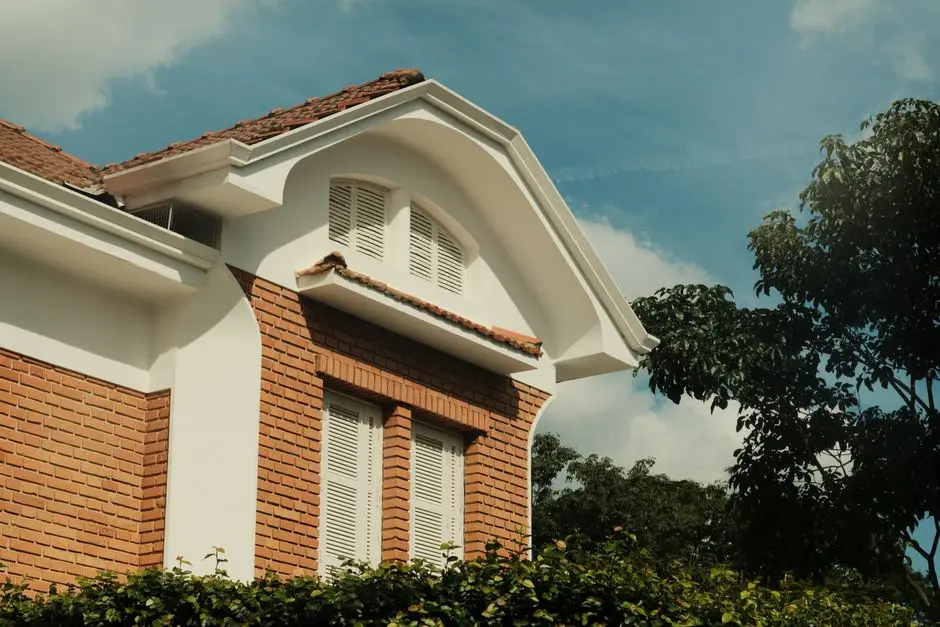
Tile roof ventilation matters for Edison attic heat because without a balanced intake-and-exhaust path, your attic can sit at 140°F to 150°F on a July afternoon while the outside air is only 92°F. That trapped heat cooks the underside of your roof tiles, bakes the underlayment, and pushes your air conditioner to run longer than it should. If you have ever walked into a second-floor bedroom in Edison at 6 p.m. in August and felt like you stepped into an oven, the attic above it is almost always the reason. Below we break down how tile roof ventilation works, why tile roofs are trickier than asphalt, what it costs in 2026, and when to call us.
Why does tile roof ventilation matter for Edison attic heat?
Tile roof ventilation is a system of intake and exhaust openings that moves outside air through your attic and pushes superheated air out before it can radiate down into your living space. In Edison, where summers routinely hit 95°F with high humidity, an unvented attic becomes a heat reservoir that dumps warmth into every ceiling below it.
Three things happen when that heat has nowhere to go:
- Your underlayment ages faster. Most tile roof underlayment in this climate is rated for 20 to 30 years at normal attic temps. Bake it at 150°F for a decade and it turns brittle and cracks years early.
- Your AC works harder. Every degree of attic heat that bleeds through your ceiling insulation adds load. Homeowners in Edison routinely see 12% to 22% higher cooling costs in an unvented attic versus a properly vented one.
- Moisture gets trapped. Winter is the flip side. Warm moist air from the house rises, hits a cold roof deck, and condenses. Without exhaust vents, that moisture rots decking and sheathing from the inside.
We handle this every week across Tile Roof Replacement in Edison NJ, and the pattern is consistent: the homes with the hottest upstairs rooms are the ones with blocked or undersized ventilation.
How tile roof ventilation reduces attic heat in Edison New Jersey
Tile roof ventilation reduces attic heat in Edison New Jersey by creating continuous airflow from low intake points (soffit or eave vents) up to high exhaust points (ridge, hip, or static vents near the peak). Hot air rises, cooler outside air is pulled in behind it, and the cycle repeats all day.
Two numbers drive the whole system:
- Net free area (NFA). The building code standard is 1 square foot of vent opening for every 150 square feet of attic floor, or 1:300 if you have a balanced intake and exhaust with a vapor barrier. Most Edison homes built before 1990 are closer to 1:600.
- Balance. Intake should roughly match exhaust. If you have 10 square feet of ridge vent and only 2 square feet of soffit intake, the ridge vent pulls almost nothing. Air needs a way in before it can go out.
On a tile roof, we usually solve this with a combination of soffit vents, a low-profile ridge vent that sits under the tile caps, and sometimes a solar-powered attic fan for homes with limited ridge length. We size the system to your attic volume, not a generic square-foot guess.
If your tile roof has slipped or missing tiles that are blocking the vent path, that gets fixed first. We handle that through our Slipped Tile Repair in Edison, New Jersey service before we touch the ventilation layout.
The signs your Edison attic is overheating
Most homeowners don't climb into the attic in July. They notice the symptoms from below. Here is what we hear on the phone:
- Second-floor bedrooms that stay 5°F to 8°F warmer than the first floor even with the AC running.
- An AC system that runs nonstop from noon to 9 p.m. in July and August.
- Cooling bills that jumped 15% or more year over year with no rate change.
- A musty or damp smell in the attic, especially after a rainy stretch.
- Visible frost or black staining on the underside of the roof deck in winter.
- Warped or curling underlayment visible through gaps between tiles.
Any two of those together is enough reason to get the attic checked. A basic Tile Roof Inspection in Edison, New Jersey takes about 90 minutes and tells you exactly where the airflow is failing.
Why tile roofs in Edison are harder to ventilate than asphalt
Tile roofs are harder to ventilate than asphalt because the tile itself sits on a batten system above the actual roof deck, and that gap changes how air moves. You cannot just cut a hole and drop in a standard vent the way you can on a shingle roof.
Three specific challenges in this area:
- The tile-to-deck gap. Air can travel horizontally under the tiles and never reach the attic. We have to vent the deck itself, not just the tile layer.
- Tile weight. Clay and concrete tiles run 8 to 12 pounds per square foot. Any vent you add has to be flashed and supported to carry that load without cracking tiles around it.
- Ridge and hip geometry. Many Edison homes have complex hip-and-valley rooflines. Ridge vents only work on the ridge. Hips need their own solution.
We see this constantly in the older housing stock around Tile Roof Replacement in Edison Center, where 1950s and 1960s ranches and split-levels have short ridges and deep soffits that were never vented properly to begin with.
What tile roof ventilation costs in Edison New Jersey in 2026
Typical 2026 pricing in Edison for tile roof ventilation work runs from about $650 for a simple soffit-vent cleaning and rebalance up to $4,200 for a full intake-and-exhaust retrofit on a complex hip roof with a solar attic fan.
Real ranges we quote:
- Soffit vent cleaning and rebalance: $650 to $1,100.
- Adding soffit intake vents (per 10 linear feet): $400 to $700.
- Ridge vent installation under existing tile: $1,400 to $2,600 depending on ridge length and tile type.
- Solar-powered attic fan with flashing: $900 to $1,600 installed.
- Full retrofit (intake + exhaust + fan): $2,800 to $4,200.
If your ventilation problem is really a vent-component problem, we fix it through Tile Roof Vent Repair in Edison, New Jersey at the lower end of those ranges. If the underlayment has already cooked, that is a separate job and we will tell you upfront.
Common mistakes we see on Edison tile roof ventilation jobs
The same handful of errors show up on almost every tile roof we open up in this area. Avoid these and you save yourself a second round of work.
- Exhaust without intake. A ridge vent with no soffit vents is a chimney with the flue closed. Air cannot move.
- Insulation blocking the soffit. Blown-in insulation pushed all the way to the eave blocks the intake. We install baffles to keep the path open.
- Undersized NFA. Guessing at vent count instead of running the 1:150 or 1:300 math.
- Mixing vent types on the same roof. A power fan plus a ridge vent can short-circuit airflow and pull air from the wrong place.
- Cutting vents through tile without proper flashing. This is how you turn a ventilation job into a Tile Roof Leak Repair in Edison, New Jersey call three months later.
When to call a professional
Call a professional when your attic is more than 25°F hotter than the outside air on a summer afternoon, when your cooling bill has climbed two summers in a row, or when you can see daylight through gaps in the roof deck from inside the attic. Those are not DIY fixes on a tile roof.
Edison Tile Roof Replacement handles the full scope: we inspect the attic, run the ventilation math, install or repair the intake and exhaust components, and test airflow before we leave. We work on clay, concrete, and composite tile roofs across Edison, Metuchen, Woodbridge, and the surrounding Middlesex County towns. If you are also dealing with aging underlayment, we can quote that at the same time through our Tile Roof Underlayment Replacement in Edison, New Jersey service so you are not paying for two separate mobilizations.
Frequently Asked Questions
Why does tile roof ventilation matter for Edison attic heat?
Without balanced intake and exhaust, Edison attics hit 140°F to 150°F in July, which bakes underlayment, drives cooling bills up 12% to 22%, and traps winter moisture that rots decking. Proper ventilation keeps attic temps within 15°F to 25°F of outside air.
How does tile roof ventilation reduce attic heat in Edison New Jersey?
Cooler outside air enters through soffit or eave intake vents, absorbs heat from the attic, and exits through ridge, hip, or static exhaust vents. The cycle runs continuously from mid-morning through evening, keeping the deck and insulation cooler.
How much does tile roof ventilation cost in Edison NJ?
In 2026, most Edison jobs run $650 to $4,200. A soffit rebalance is around $650 to $1,100. A full intake-and-exhaust retrofit with a solar attic fan on a complex hip roof lands between $2,800 and $4,200.
Who installs tile roof ventilation in Edison New Jersey?
Edison Tile Roof Replacement installs, repairs, and rebalances tile roof ventilation across Edison and Middlesex County. We handle soffit intake, ridge and hip exhaust, solar attic fans, and the flashing that keeps every penetration watertight.
How long does a tile roof ventilation installation take?
Most residential retrofits take one to two days. A simple soffit cleaning and rebalance is a half-day job. Full retrofits with a solar fan and new ridge vent typically run two days, weather permitting.
Get help with Tile Roof Replacement in Edison
If your upstairs rooms are running hot and your AC cannot keep up, the attic is the place to start. We will inspect the ventilation, show you what is failing, and quote the fix before any work begins. Call Edison Tile Roof Replacement at (732) 123 4567 to schedule your attic and tile roof ventilation assessment.